



Article
Car Service in Woodberry
As your local Mechanic in Woodberry, Woodberry Mechanical Plus take great pride in offering our clients the very best in car servicing and automotive repairs.
Read moreKeeping your vehicle running smoothly starts with understanding one of its most critical but often forgotten components — the timing belt. It quietly keeps your engine synchronised, and when it fails, it can cause major and expensive damage. This article explains what a timing belt does, when it should be replaced, common symptoms of wear, and the recommended replacement intervals for popular vehicles often seen around Woodberry.
A timing belt is a reinforced rubber belt that synchronises the rotation of the crankshaft and camshaft, ensuring your engine’s valves open and close at precisely the right moments. If the timing is off, the engine may misfire, run poorly, or suffer catastrophic damage.

Most manufacturers recommend replacing timing belts between 60,000 km and 150,000 km, OR every 5 to 10 years, depending on the vehicle.
Heat, dust, and stop–start driving common in Woodberry and across Australia can accelerate wear — another reason to keep up with inspections.
Here are 10 vehicles commonly seen in and around Woodberry, along with manufacturer-recommended timing belt intervals.
(Always confirm with your logbook or ask Woodberry Mechanical Plus for guidance.)
Failing to replace a timing belt when it’s due — or ignoring signs like cracks, missing teeth or noticeable wear — can lead to sudden and severe engine damage. A worn timing belt can snap without warning, causing the pistons and valves to collide, which often results in bent valves, damaged pistons, broken camshafts and, in many cases, a complete engine rebuild or replacement. What could have been a straightforward, scheduled maintenance job can quickly turn into one of the most expensive repairs a car can face. Avoiding that is as simple as timely servicing.
When Woodberry Mechanical Plus performs a timing belt service, we often recommend replacing:
Replacing these at the same time saves you money on labour and reduces the risk of future failures.
Do all cars have timing belts?
No. Some use timing chains, which last longer but still require attention.
Is it safe to wait until the belt looks worn?
No — timing belt failure is usually sudden and without warning.
Can heat affect timing belt life?
Yes. High temperatures in Australian climates can cause premature rubber degradation.
Why do belt intervals vary so much?
Different engine designs, materials, and environmental conditions influence wear.
What is a timing chain?
A timing chain is a metal chain that synchronises the rotation of the crankshaft and camshaft, ensuring the engine’s valves open and close at the correct time. It works similarly to a bicycle chain and is located inside the engine, running in an oil bath for lubrication.
What is the difference between a timing belt and a timing chain?
A timing belt is made of reinforced rubber and usually needs replacement every 60,000–150,000 km, while a timing chain is made of metal and typically lasts much longer. Belts run quietly but wear faster, whereas chains are more durable but can be noisier and require good oil maintenance to stay healthy.
For dependable timing belt servicing, inspections and replacements, Woodberry Mechanical Plus in Woodberry is your local independent Repco Authorised Service centre. Our workshop provides expert care, high-quality parts, and friendly advice to keep your engine running reliably for years to come.
Ready for peace of mind? Contact Woodberry Mechanical Plus today to book your timing belt inspection!
As your local Mechanic in Woodberry, Woodberry Mechanical Plus take great pride in offering our clients the very best in car servicing and automotive repairs.
Read more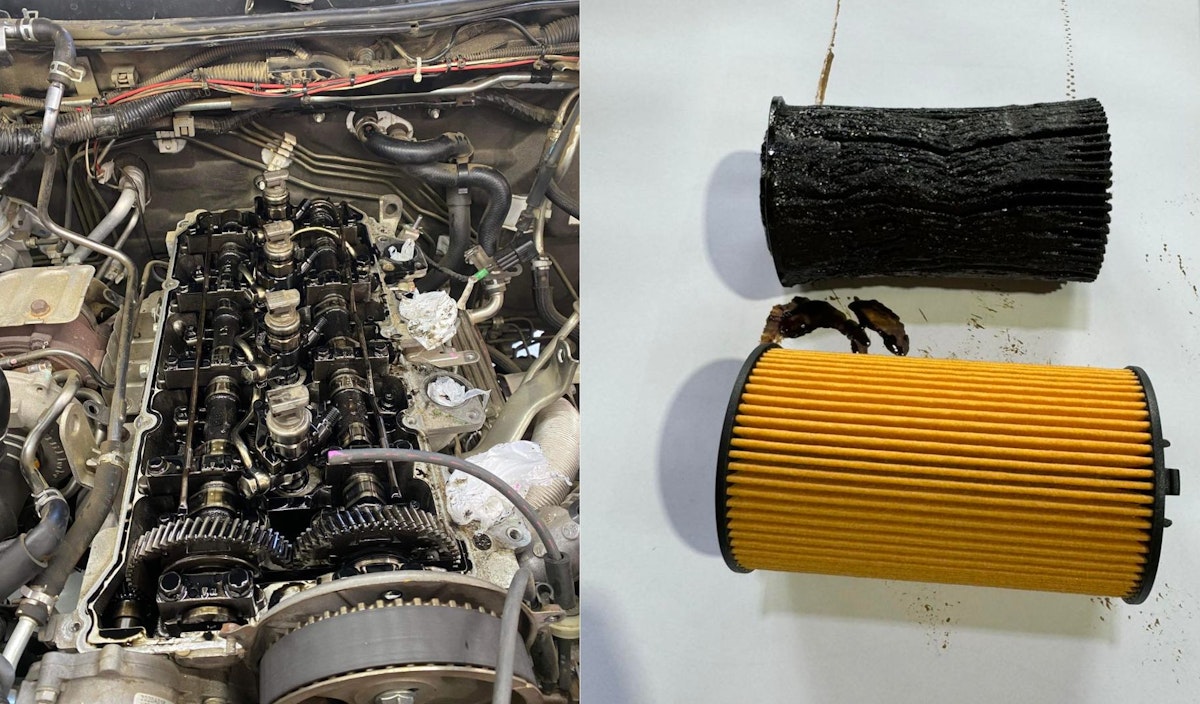
Discover how Woodberry Mechanical Plus in Woodberry improved a Mitsubishi Triton's start and performance by adjusting valve clearances and replacing glow plugs.
Read more
Discover how Woodberry Mechanical Plus restored a Holden VE Commodore's performance and handling by replacing rear suspension components. Book your vehicle health check today!
Read more